How to Avoid Building Control Rejection
Securing Building Regulations approval is a critical step in any UK construction project. However, many homeowners and developers experience delays due to Building Control rejection or requests for major revisions.
Rejection does not necessarily mean your project cannot proceed — but it can lead to costly redesigns, timeline setbacks, and additional stress.
Understanding the most common reasons for rejection and how to prevent them can save both time and money. At Buildrite, we prepare detailed, compliant Building Regulations drawings that significantly reduce the risk of refusal.
What Is Building Control Rejection?
Building Control rejection occurs when submitted drawings or on-site work fail to meet UK Building Regulations standards. This may happen during:
- Plan review (Full Plans application)
- On-site inspections
- Final completion checks
Rejection often results in required amendments before approval can be granted.
Common Reasons for Building Control Rejection
Understanding typical issues is the first step toward prevention.
1. Incomplete or Inaccurate Technical Drawings
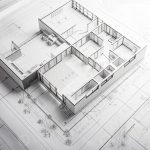
One of the most frequent causes of rejection is insufficient detail in submitted drawings. Missing information may include:
- Foundation depth and type
- Structural beam specifications
- Insulation thickness
- Fire safety measures
- Drainage layouts
Building Control officers must clearly see how your project meets regulations.
How to Avoid It:
Ensure drawings are fully detailed and professionally prepared before submission.
How Buildrite Helps:
Buildrite prepares comprehensive Building Regulations drawings with clear specifications, reducing the likelihood of missing information.
2. Missing Structural Calculations
Structural alterations, extensions, and new builds typically require structural engineer calculations. Submitting drawings without proper calculations often results in immediate rejection.
How to Avoid It:
Always coordinate structural design with qualified engineers.
How Buildrite Helps:
Buildrite works closely with structural engineers to ensure calculations are submitted alongside technical drawings.
3. Non-Compliant Energy Efficiency Standards
Part L of the Building Regulations focuses on energy efficiency. Common issues include:
- Inadequate insulation levels
- Poor thermal bridging solutions
- Non-compliant window specifications
How to Avoid It:
Ensure insulation and glazing meet current U-value standards.
How Buildrite Helps:
Buildrite integrates energy efficiency compliance into the design stage, ensuring specifications meet current UK requirements.
4. Fire Safety Oversights
Fire safety (Part B) is taken very seriously, particularly for loft conversions and multi-storey homes. Rejection may occur due to:
- Insufficient escape routes
- Missing fire doors
- Inadequate smoke detection systems
- Incorrect compartmentation
How to Avoid It:
Incorporate fire safety measures early in the design process.
How Buildrite Helps:
Buildrite ensures fire safety strategies are fully integrated and clearly shown on technical drawings.
5. Poor Drainage and Ventilation Design
Drainage (Part H) and ventilation (Part F) are common problem areas. Incomplete layouts or incorrect pipe gradients can cause rejection.
How to Avoid It:
Provide clear drainage layouts and ventilation calculations.
How Buildrite Helps:
Buildrite produces detailed drainage and ventilation plans to prevent compliance issues.
6. Starting Work Before Approval
Beginning construction without approved drawings increases the risk of non-compliant work. If inspections reveal issues, corrective work may be required.
How to Avoid It:
Wait for formal approval before starting structural work.
How Buildrite Helps:
Buildrite manages submission timelines and advises clients when it is safe to proceed.
7. Poor Communication with Building Control
Delays often occur due to slow responses to queries or unclear documentation. How to Avoid It:
Maintain clear communication and respond promptly to requests for additional information.
How Buildrite Helps:
Buildrite liaises directly with Building Control officers, ensuring fast responses and efficient resolution of queries.
The Importance of the Full Plans Route
While the Building Notice route may seem faster, it carries higher risk because detailed drawings are not reviewed before construction begins.
The Full Plans route offers:
- Pre-construction approval
- Reduced inspection risks
- Clear technical validation
- Greater peace of mind
Buildrite typically recommends the Full Plans application for structural or complex projects to minimise rejection risk.
On-Site Inspection Failures
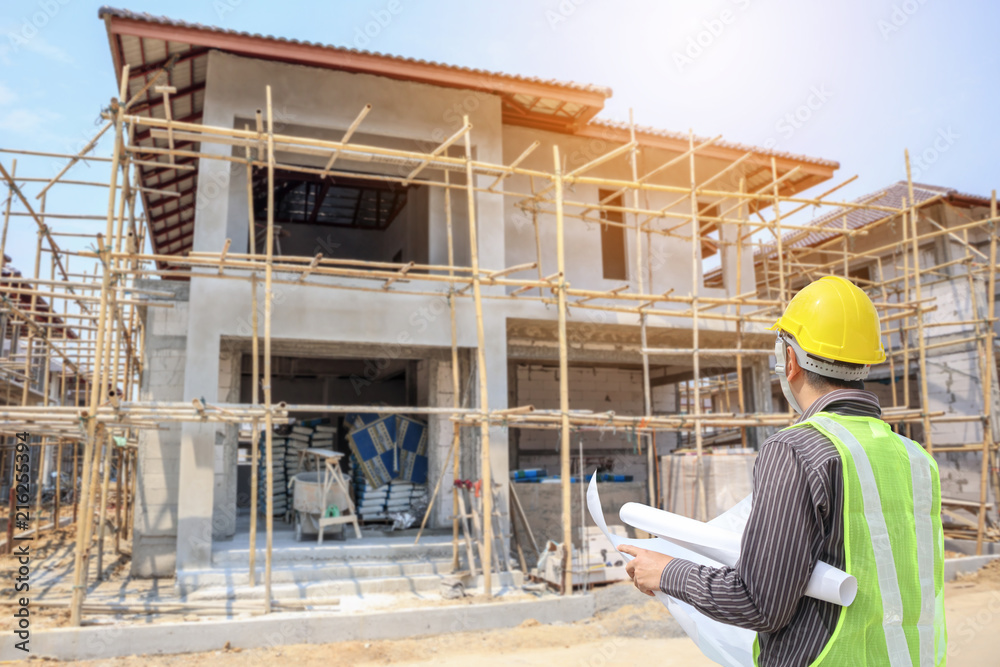
Even with approved drawings, on-site rejection can occur if the build does not match the submitted plans. Common issues include:
- Incorrect beam installation
- Insufficient insulation installation
- Improper fire door fitting
- Incorrect foundation depth How to Avoid It:
- Ensure builders follow approved drawings precisely
- Schedule inspections at required stages
- Address issues immediately if raised
Buildrite supports clients by ensuring builders have clear documentation and by coordinating inspection stages effectively.
Consequences of Building Control Rejection
Failure to comply with Building Regulations can result in:
- Costly corrective work
- Construction delays
- Enforcement notices
- Fines
- Difficulty selling or refinancing the property
Preventative planning is far more cost-effective than fixing compliance issues later.
How Buildrite Minimises Rejection Risk
At Buildrite, our structured approach significantly reduces the risk of Building Control rejection. We provide:
✔ Detailed and regulation-compliant technical drawings
✔ Structural coordination and calculations
✔ Energy efficiency integration
✔ Fire safety planning
✔ Drainage and ventilation specifications
✔ Direct communication with Building Control
By addressing compliance at the design stage, we prevent problems before they arise.
Proactive Planning Is the Key
Avoiding Building Control rejection is not about reacting to problems — it is about preventing them through professional preparation and clear communication.
Accurate drawings, structural coordination, and regulatory knowledge ensure smoother approvals and fewer on-site complications.
Conclusion
Building Control rejection can delay your project and increase costs, but it is largely avoidable with proper planning and professional expertise. From incomplete drawings to fire safety oversights, most rejection reasons stem from insufficient preparation.
With Buildrite’s experience in UK Building Regulations, clients benefit from detailed documentation, compliance-focused design, and proactive communication with authorities.
If you are planning an extension, conversion, or new build, Buildrite can help you avoid Building Control rejection and move forward with confidence and clarity.