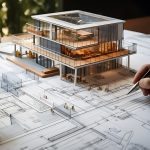
Understanding UK Building Regulations Drawings
When planning a construction project in the UK, securing planning permission is only part of the process. Equally important is complying with UK Building Regulations. To demonstrate
compliance, you must submit detailed Building Regulations drawings that show how your project will meet safety, structural, and energy-efficiency standards.
For many homeowners and developers, these drawings can appear complex and technical. However, understanding their purpose and content is essential to ensuring your project progresses without delays.
At Buildrite, we prepare accurate, fully compliant Building Regulations drawings that help clients move confidently from design approval to construction.
What Are Building Regulations Drawings?
Building Regulations drawings are detailed technical plans that demonstrate how a proposed building or extension will comply with UK Building Regulations. Unlike planning drawings, which focus mainly on appearance and layout, Building Regulations drawings concentrate on safety, performance, and construction standards.
They are typically submitted to:
- Local Authority Building Control (LABC)
- Approved Inspectors
Approval is required before construction work begins. Why Building Regulations Approval Is Essential Building Regulations exist to ensure that buildings are:
- Structurally safe
- Energy efficient
- Properly ventilated
- Fire resistant
- Accessible
- Protected against damp and drainage issues Failure to obtain approval can result in:
- Legal enforcement action
- Fines
- Delays in selling the property
- Expensive corrective works
Buildrite ensures that every project meets these requirements from the outset.
What Do Building Regulations Drawings Include?
Building Regulations drawings are far more detailed than planning drawings. They typically include the following components:
1. Structural Details
These drawings show how the building will safely support loads. They may include:
- Foundation design
- Beam and lintel specifications
- Load-bearing wall details
- Floor structure build-ups
- Roof structural layout
Structural engineer calculations are often required to support these drawings.
Buildrite coordinates closely with structural engineers to ensure all structural elements are accurate and compliant.
2. Insulation and Energy Efficiency Details
Energy performance is a key focus of UK Building Regulations (Part L). Drawings must show:
- Wall insulation thickness
- Roof insulation specification
- Floor insulation
- Thermal bridging solutions
- Window and door performance standards
These details ensure the building meets required U-value standards and energy efficiency targets.
3. Fire Safety Measures
Fire safety compliance (Part B) is critical, especially in multi-storey or larger developments. Drawings may include:
- Fire-resistant doors
- Escape routes
- Smoke alarm positioning
- Fire-rated construction materials
- Compartmentation details
Buildrite integrates fire safety planning into the design stage to prevent costly redesigns.
4. Ventilation and Drainage Systems
Building Regulations (Part F and Part H) require proper ventilation and drainage systems. Drawings typically show:
- Mechanical ventilation systems
- Extract fan locations
- Drainage pipe routes
- Manhole positions
- Foul and surface water separation
Clear drainage planning prevents long-term structural and hygiene issues.
5. Accessibility Requirements
For residential and commercial projects, compliance with Part M ensures accessibility standards are met. Drawings may indicate:
- Door widths
- Step-free access
- Stair dimensions
- Handrail specifications
- Accessible bathroom layouts
These measures improve usability and safety for occupants.
Difference Between Planning Drawings and Building Regulations Drawings
Many clients confuse these two stages. The key differences are: Planning Drawings focus on:
- Appearance
- External design
- Site positioning
- Overall layout
Building Regulations Drawings focus on:
- Structural integrity
- Safety standards
- Construction methods
- Technical compliance
You need both approvals before and during construction.
Buildrite manages both processes efficiently, ensuring seamless transition from planning approval to technical compliance.
The Building Regulations Application Process
There are generally two routes for approval:
- Full Plans Application – Detailed drawings are submitted and reviewed before construction
- Building Notice – Used for smaller projects, allowing work to start before full approval (not suitable for complex developments).
For most projects, especially larger or structural works, the Full Plans route is recommended. Buildrite advises clients on the most appropriate route and handles submission procedures. Common Mistakes in Building Regulations Submissions
Incomplete or inaccurate drawings can lead to delays and additional costs. Common issues include:
- Missing structural calculations
- Inadequate insulation specifications
- Incorrect fire safety layouts
- Poor drainage design
- Lack of clear dimensioning
Professional preparation reduces these risks significantly.
How Buildrite Ensures Compliance
At Buildrite, Building Regulations drawings are prepared with precision and attention to detail. Our process includes:
✔ Thorough review of approved planning drawings
✔ Integration of structural engineer input
✔ Detailed construction specifications
✔ Compliance checks against current UK regulations
✔ Direct communication with Building Control officers
By addressing compliance early, we minimise revisions and avoid construction delays.
Why Professional Drawings Protect Your Investment
Building Regulations compliance is not just a legal requirement — it protects your property’s long-term value and safety. Proper insulation reduces energy bills. Strong structural design prevents future damage. Fire safety measures protect occupants.
Accurate technical drawings ensure your builder follows correct specifications, reducing the likelihood of costly errors.
Buildrite’s structured approach provides peace of mind that your project is built safely and legally.
When Do You Need Building Regulations Drawings?
You typically require Building Regulations approval for:
- Extensions
- Loft conversions
- Structural alterations
- New builds
- Garage conversions
- Commercial developments
Even projects that do not require planning permission may still require Building Regulations approval.
Conclusion
Understanding UK Building Regulations drawings is essential for anyone undertaking construction work. These detailed technical plans ensure your project meets structural, safety, and energy-efficiency standards set by law.
While they may appear complex, their purpose is simple — to ensure your building is safe, durable, and compliant.
With Buildrite’s expertise, clients receive professionally prepared Building Regulations drawings that streamline approvals and support smooth construction.
If you’re planning a project and need reliable, compliant technical drawings, Buildrite is ready to guide you through every stage with clarity and confidence.