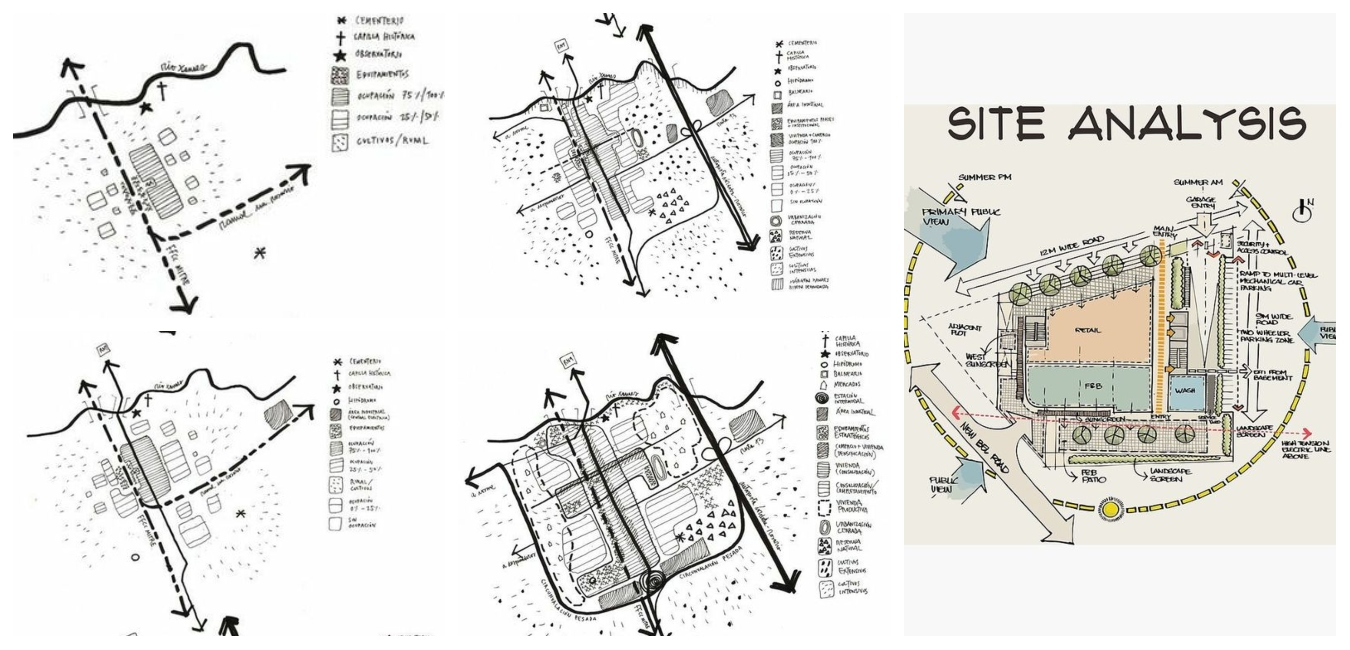
The Role of Site Analysis in Successful Building Projects
Every successful building project starts long before construction begins — it starts with understanding the land itself. Site analysis is one of the most important early steps in
architectural planning, yet it is often underestimated. A thorough evaluation of site conditions can determine whether a project runs smoothly or faces costly delays and design challenges.
From soil conditions and access routes to sunlight patterns and local regulations, site analysis provides the foundation for smart decision-making. At Buildrite, site analysis is an essential part of the design process, ensuring projects are efficient, compliant, and built to perform long-term.
Here’s why site analysis plays such a crucial role in successful building projects.
What Is Site Analysis?
Site analysis is the process of studying a location’s physical, environmental, and regulatory characteristics before design begins. It helps architects understand the opportunities and constraints of a site.
Key elements include:
- Topography and land slope
- Soil conditions and ground stability
- Sun path and natural lighting
- Access roads and surroundings
- Drainage and flood risks
- Nearby structures and context
- Planning restrictions and zoning laws
This information shapes the design approach and prevents costly mistakes later.
1. Influences Building Design and Layout
Every site is unique. A well-conducted site analysis ensures the building layout responds to the land rather than working against it.
For example:
- Sloped land may influence foundation design
- Sun direction impacts window placement
- Wind patterns affect ventilation strategy
How Buildrite Helps:
Buildrite designs buildings that work in harmony with site conditions, improving comfort, efficiency, and structural performance.
2. Improves Planning Approval Success
Local planning authorities consider how a building fits its surroundings. A design that ignores site context may face rejection.
Site analysis ensures:
- Proper building orientation
- Respect for neighboring properties
- Compliance with local planning policies
How Buildrite Helps:
Buildrite integrates planning considerations early, improving approval outcomes and reducing delays.
3. Reduces Construction Risks
Ground conditions and site access affect construction safety and feasibility. Ignoring these factors can lead to unexpected costs.
Common risks include:
- Poor soil stability
- Drainage issues
- Limited equipment access
How Buildrite Helps:
Buildrite assesses technical site constraints before finalizing designs, preventing structural and logistical issues.
4. Enhances Energy Efficiency
Site analysis plays a major role in sustainable design. Understanding sun exposure, wind flow, and shading helps reduce energy demand.
Benefits include:
- Better natural lighting
- Reduced heating and cooling needs
- Improved indoor comfort
How Buildrite Helps:
Buildrite incorporates passive design strategies based on site conditions, creating energy- efficient buildings.
5. Supports Environmental Responsibility
Sensitive design minimizes environmental impact. Site analysis identifies protected areas, water flows, and vegetation that should be preserved.
How Buildrite Helps:
Buildrite designs responsibly, balancing development needs with environmental protection.
6. Ensures Better Drainage and Flood Protection
Improper drainage planning can cause long-term structural damage. Site analysis identifies natural water flow patterns and flood risks.
How Buildrite Helps:
Buildrite integrates drainage planning into design, protecting buildings from water-related issues.
7. Improves Access and Usability
Site entry points, parking, and pedestrian routes affect daily usability. These factors must be evaluated early.
How Buildrite Helps:
Buildrite ensures safe and practical access solutions that improve convenience and compliance.
8. Helps Control Project Costs
Unexpected site problems can lead to expensive changes. Early analysis reduces surprises and supports accurate budgeting.
How Buildrite Helps:
Buildrite’s thorough site evaluation allows realistic planning and cost control.
9. Strengthens Long-Term Property Value
A building that responds well to its environment performs better over time. Proper orientation, drainage, and structural stability protect investment value.
How Buildrite Helps:
Buildrite ensures projects are designed for long-term durability and performance.
Why Site Analysis Should Never Be Skipped
Skipping site analysis can result in:
- Planning permission delays
- Structural complications
- Increased construction costs
- Poor energy performance
This step is the foundation of a successful project.
Why Choose Buildrite for Site-Led Design?
Buildrite delivers:
✔ In-depth site evaluation
✔ Planning-focused design strategies
✔ Risk reduction and compliance
✔ Sustainable, site-responsive architecture
✔ Cost-efficient project planning
By understanding the land first, Buildrite ensures buildings are safe, efficient, and future-ready.
Conclusion
Site analysis is not just a preliminary step — it is a critical factor that influences design, approvals, cost, and long-term building performance. Projects grounded in proper site understanding are more resilient, efficient, and valuable.
With Buildrite’s expertise, clients benefit from site-informed design decisions that reduce risk and maximize success from concept to completion.