Comparing Concept Design vs. Detailed Architectural Drawings
In any construction or renovation project, architectural drawings play a critical role in turning ideas into reality. However, not all drawings serve the same purpose. Two of the most important stages in architectural design are concept design and detailed architectural drawings.
Understanding the difference between these stages helps clients make better decisions, avoid delays, and ensure their project moves smoothly from vision to construction. At Buildrite, both stages are handled with precision to deliver well-planned, buildable, and compliant designs.
Let’s break down how these two phases differ — and why both are essential.
What Is Concept Design?
Concept design is the creative starting point of a project. It focuses on developing the overall vision, layout, and design direction before technical details are finalized.
At this stage, architects explore:
- Spatial arrangements
- Building form and massing
- General layout options
- Initial aesthetics
- Feasibility within site constraints
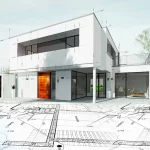
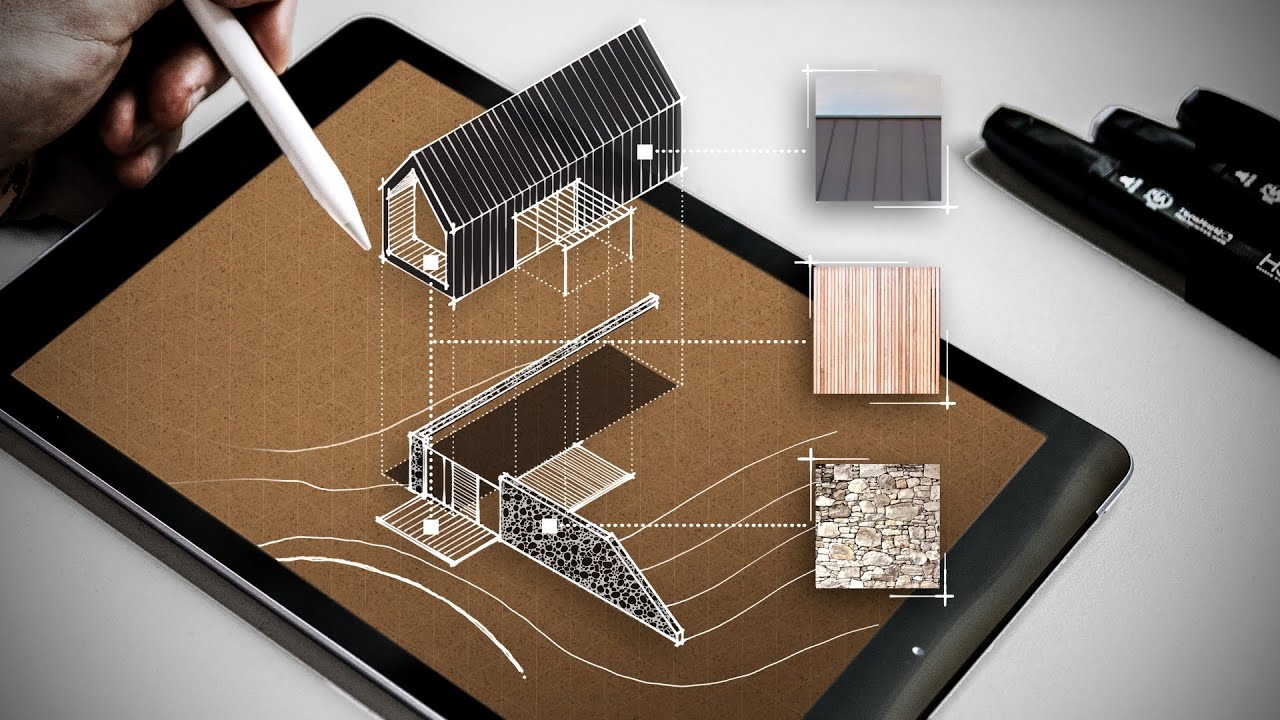
Concept drawings are usually simpler and may include sketches, floor plan layouts, and 3D visuals that help clients understand the look and feel of the project.
Purpose of Concept Design
The goal is to answer key questions:
- Does the layout meet the client’s needs?
- Is the design suitable for the site?
- Is the project feasible within budget and planning constraints? It’s about exploring possibilities, not construction details.
How Buildrite Helps:
Buildrite works closely with clients during the concept stage to refine ideas, balance creativity with practicality, and ensure the design aligns with planning policies.
What Are Detailed Architectural Drawings?
Once the concept is approved, the project moves into the technical phase. Detailed architectural drawings translate the approved design into precise construction information. These drawings include:
- Accurate dimensions
- Structural coordination
- Material specifications
- Wall sections and construction details
- Building regulation compliance information
Unlike concept designs, these drawings are construction-ready and used by builders, engineers, and building control authorities.
Purpose of Detailed Drawings
- Guide construction teams accurately
- Ensure compliance with UK building regulations
- Prevent on-site confusion
- Reduce costly mistakes
How Buildrite Helps:
Buildrite produces highly detailed, coordinated drawings that ensure contractors can build efficiently and correctly.
Why Both Stages Are Essential
Skipping or rushing either stage can lead to problems.
- Without proper concept design, the project may not meet user needs or planning
- Without detailed drawings, construction errors and delays are likely. Together, these stages ensure a project is both well-designed and buildable.
Common Misunderstandings
“Concept drawings are enough to build.”
This is a common mistake. Builders require technical drawings with exact specifications.
“Detailed drawings limit creativity.”
In reality, they protect the design vision by ensuring it is built correctly.
How the Two Stages Work Together
- Concept Design defines the vision
- Client feedback refines the direction
- Planning considerations shape the design
- Detailed drawings make it buildable
This process reduces risk and ensures smoother project delivery.
Benefits of Proper Architectural Drawing Stages
- Better planning approval success
- Accurate construction pricing
- Reduced site errors
- Faster build times
- Improved building performance
How Buildrite Supports Every Stage
Buildrite guides clients from early concepts to final construction documentation. This integrated approach ensures:
✔ Creative ideas remain practical
✔ Planning requirements are considered early
✔ Technical details are accurate
✔ Projects stay on budget and schedule
Whether you’re designing a home extension, new build, or commercial property, Buildrite ensures each stage is handled professionally.
Conclusion
Concept design and detailed architectural drawings serve different but equally important roles. One shapes the vision, while the other turns it into a safe, compliant, and buildable reality.
Working with an experienced team like Buildrite ensures both stages are completed thoroughly
— delivering buildings that are not only attractive but also structurally sound and regulation- ready.